

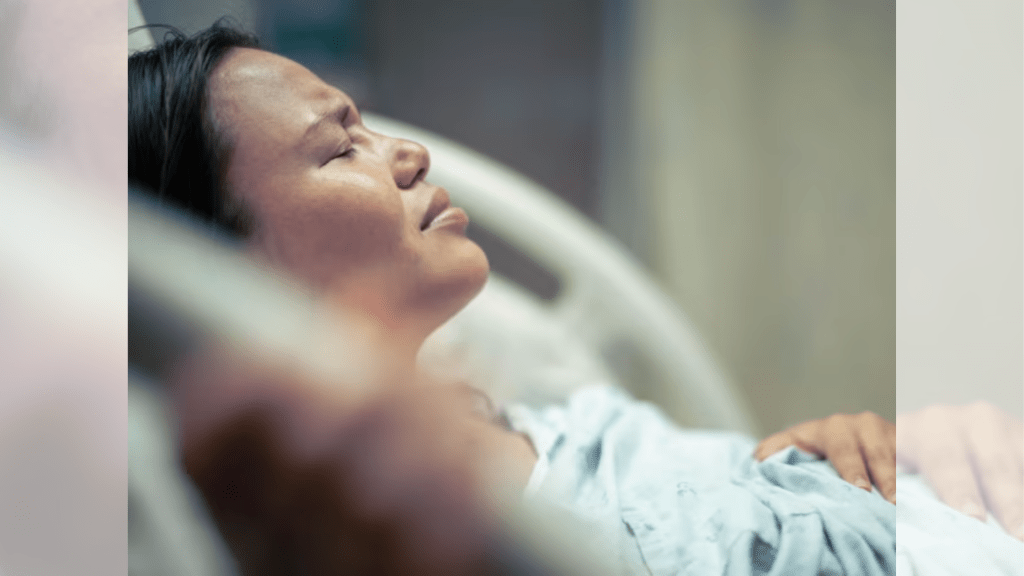
Welcoming a new life into the world is a transformative experience, and for some, choosing an unmedicated birth becomes a powerful avenue for empowerment. This journey involves navigating through various stages of labor, relying on inner strength, and embracing the body’s natural ability to birth. In this blog, we’ll explore the empowering aspects of unmedicated birth, touching on pre-birth preparation, the stages of labor, coping techniques, and addressing common concerns.
We are thrilled to embark on a journey that delves into the intricacies of the unmedicated birth experience—a process that goes far beyond the physical aspects of labor. Over the course of this series, we will navigate through the stages of pre-birth meditation, the significance of losing the mucus plug, coping techniques for early labor, the dynamics of active labor, the transformative transition stage, and the delicate ‘pushing stage.’ Additionally, we’ll address common concerns such as tearing during childbirth, exploring its types and potential interventions. Each installment will unfold as a comprehensive guide, offering insights, empowering stories, and practical tips to equip you with the knowledge and confidence to embrace the unique and transformative journey of unmedicated birth. Get ready to explore the empowering facets of childbirth in this enlightening series, where we celebrate the strength, resilience, and beauty of the birthing process.
- Pre-Birth Meditation: Preparing the Mind and Body
Embarking on the unmedicated birth journey often begins with mental and emotional preparation. Meditation can be a powerful tool to calm the mind, reduce anxiety, and foster a connection between the expecting parent and their unborn child. Practicing mindfulness techniques during pregnancy can promote relaxation, help manage fears, and establish a positive mindset for the upcoming birth.
- Losing Your Mucus Plug: Early Signs of Labor
As the due date approaches, some may experience the loss of the mucus plug, a jelly-like substance that seals the cervix. While its expulsion doesn’t necessarily mean labor is imminent, it’s a sign that the body is gearing up for the birthing process. Understanding these early signs can empower parents, allowing them to recognize the natural progression of labor and make informed decisions about when to seek support.
- Early Labor and Coping Techniques: Riding the Waves
Early labor often involves irregular contractions and a gradual opening of the cervix. Coping techniques, such as breathing exercises, movement, and relaxation techniques, become essential during this stage. Support persons play a crucial role in providing comfort and encouragement, helping the laboring individual navigate the intensity of contractions.
- Active Labor: Enlisting Support and Staying Grounded
As labor progresses into the active stage, contractions become more intense and frequent. The support person’s role becomes pivotal at this point, offering physical support, encouragement, and reassurance. Techniques like massage, counterpressure, and position changes can enhance the birthing experience, reinforcing the empowering connection between the laboring individual and their support team.
- Transition Labor and the ‘Pushing Stage’: Breaking Through Barriers
Transition labor is often considered the most challenging phase, marked by intense contractions and emotional highs and lows. The pushing stage follows, where the laboring individual actively participates in bringing their baby into the world. The empowerment lies in the recognition of the body’s innate ability to navigate these challenging stages, supported by a positive mindset and a dedicated support team.
- Tearing: Addressing Concerns and Types of Tears
Tearing during childbirth is a common concern, but it’s important to note that not all tears are the same. Understanding the types of tears, such as first-degree (minor) to fourth-degree (severe), can empower parents to engage in open discussions with their healthcare providers about potential interventions and aftercare. Proper perineal support and positioning during the pushing stage can contribute to minimizing the risk of tearing.
Conclusion:
The unmedicated birth journey is a profound experience that goes beyond the physical act of childbirth. It involves mental and emotional preparation, the strength to navigate through various labor stages, and the unwavering support of a dedicated team. Empowerment in childbirth arises from embracing the body’s natural processes, fostering a positive mindset, and recognizing the strength within. As each contraction brings the laboring individual closer to meeting their baby, the journey becomes a testament to the incredible resilience and power inherent in the birthing process.
 MomaMimii